
Why Naboisho’s Wildlife Story Begins with Grass.
You are what you eat.
We usually think of this as human diet advice: the quality of what’s on our plates shapes our health, energy and resilience.
On Naboisho, the same idea becomes ecosystem logic. And it begins with grass.
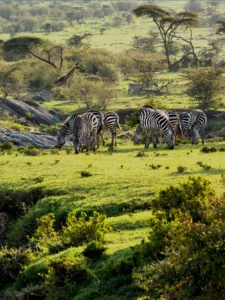
At first glance, grass seems like the quietest part of the landscape, sitting beneath the drama of the Mara: the lions, the cheetahs, the wildebeest, the zebras, the sweeping movement of life across the plains.
But on a conservancy like Naboisho, grass is not the background. It is the beginning of the food chain, the wildlife experience, and the income that keeps this land protected.
The Foundation Beneath the Sighting
Every wildlife sighting has a story beneath it.
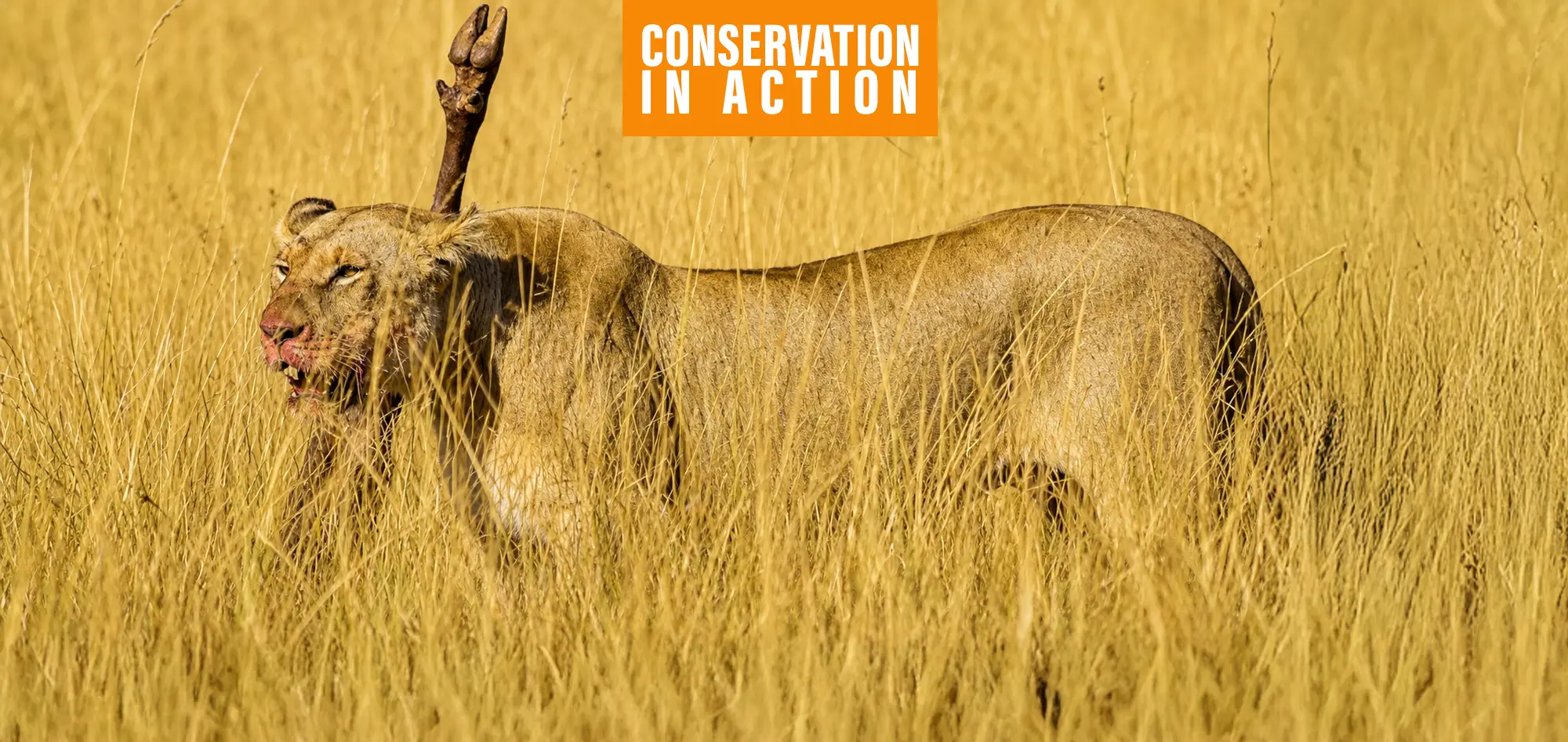
A lion feeding in tall grass isn’t only a predator moment. It’s the end of a chain that starts with the land itself. The quality of the forage shapes the prey’s condition. That shapes the health of the herd, and the opportunities for predators.
It’s a simple chain, but it splits two ways and runs the whole system:
Healthy grassland supports both livestock and wild grazers.
For livestock, that means better condition and better income for the landowners who graze them.
For conservation and tourism, it supports the health of wildlife, which shapes the wildlife experience, which draws tourism, which generates the income that keeps this land under conservation.
The wildlife is what visitors see. The grassland is what makes it possible, and, either way, what makes it pay.
Not All Grass Is Good Forage
Grassland can look open, golden and full of life, but grass isn’t automatically good forage just because it’s there. Its value depends on quality.
 Healthy grassland means better nutrition, stronger regrowth, deeper roots and better water retention: a stronger base for the whole ecosystem. Poor grassland means the opposite: weaker forage, exposed soil, slower recovery, and animals forced to travel further to feed.
The question isn’t whether there’s grass. It’s what kind of grassland the ecosystem is standing on.
Why Grassland Monitoring Matters
This is why grassland monitoring and management are central to Naboisho’s conservation work.
Naboisho is actively managed, not simply protected. Keeping it healthy takes observation, planning and long-term attention to what’s happening beneath the visible wildlife experience.
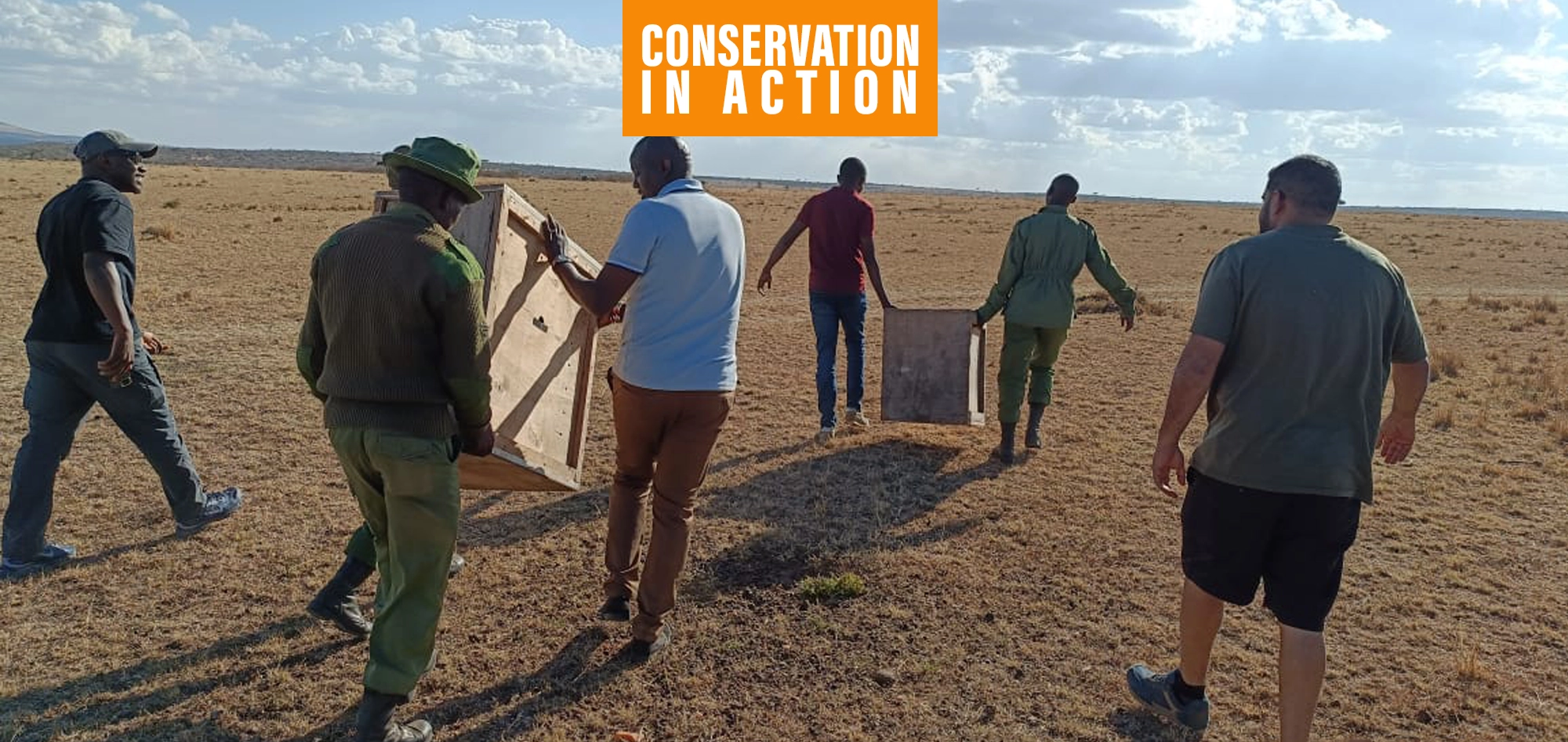
That means walking transects across every grazing block on the conservancy, testing major grass species against nine separate soil nutrients, to build a detailed, evolving picture of where the land is feeding both livestock and wildlife well – and where it needs help.
Because if grassland is the foundation, understanding it isn’t optional. It’s how Naboisho protects the asset that both landowner income and the wider conservation economy depend on.
What Visitors Can Learn to See
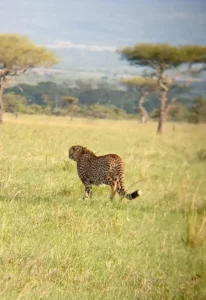 When guests come to Naboisho, they come for the big moments: a lion mid-stalk through golden grass, a cheetah’s spine whipping left-right at full sprint, a leopard peering down through the dappled shade of an umbrella acacia. Those moments are unforgettable, but they’re also only the visible result.
Next time you’re on a game drive, look below the sighting. That’s where the story begins. Grass that tells us whether the land is productive, whether animals have enough to feed on, and whether the ecosystem has the strength to recover and continue.
You Are What You Eat
You are what you eat.
On Naboisho, that’s not just a slogan. It’s how the whole conservation model works. The predator depends on the prey, the prey depends on the grass, and the grass depends on the health of the land.
It’s also, at its core, an economic model. One where healthy grassland turns into income for landowners, whether through livestock returns or tourism revenue, and into a future for everyone who depends on it.
This is conservation in action.