Giraffe numbers across Africa are declining, with 40% lost in the last 30 years and only 117,000 remaining in the wild as of 2025.
As part of a broader landscape-wide study, three giraffes in Naboisho have been fitted with GPS tags to understand how habitat loss, predation, and poaching are shaping their survival. The tagging operation was led by the Giraffe Conservation Foundation, in collaboration with the Kenya Wildlife Service (KWS). Naboisho is one of several conservancies participating, with additional giraffes collared in neighbouring areas to establish baseline data on movement and habitat use.
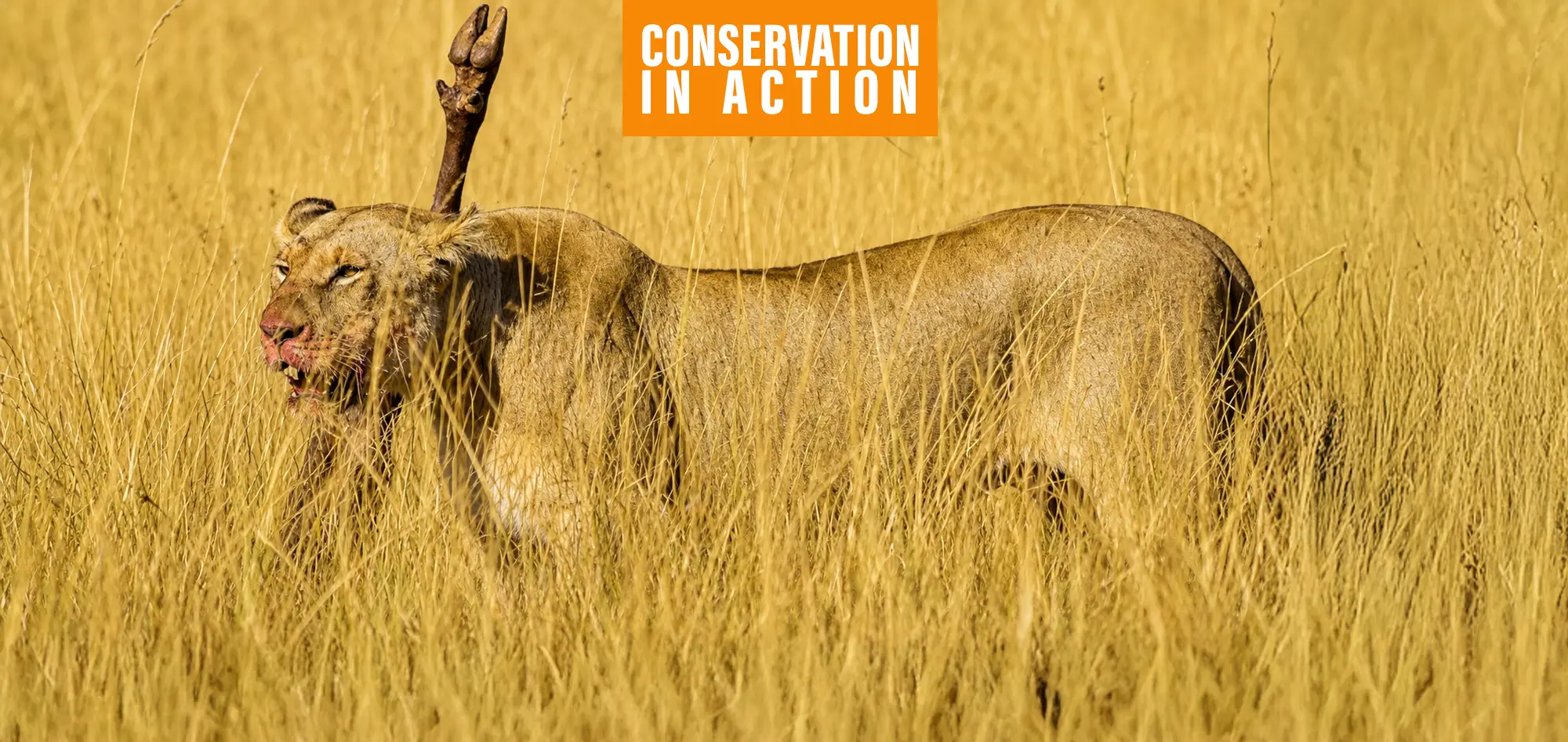
Although tracking has only recently begun, the early GPS data is already offering new insights that complement earlier field observations, which suggested that giraffes move toward settlement edges at night—areas increasingly affected by fencing and habitat fragmentation—before returning to the conservancy during the day, where unusually large resting groups have been recorded. This emerging behavioural pattern coincides with a rise in lion predation within Naboisho, adding further strain on a species that, with a 16-month gestation period and rarely more than six calves in a lifetime, breeds slowly.
The study will continue in the months ahead to determine whether these patterns are temporary responses or part of a wider behavioural change. By understanding where and why giraffes move, Naboisho and its partners aim to strengthen wildlife corridors, reduce conflict, and protect one of Africa’s most iconic species for the long term.