Under Naboisho’s careful stewardship, raptors rise again.
After a 95% decline in vulture populations across Kenya in just three decades, Naboisho has become a rare stronghold where these endangered birds are beginning to recover thanks to deliberate protection, regulated grazing, and evidence-based management.
For the first time in years, White-backed and Lappet-faced Vultures are nesting consistently across the conservancy. In collaboration with the Mara Raptor Project, field teams have mapped every active nest, building the most complete raptor-breeding atlas ever assembled for Naboisho. Already, 28 fledged White-backed Vultures have been confirmed, a vital achievement for a species that typically raises only one chick per year.
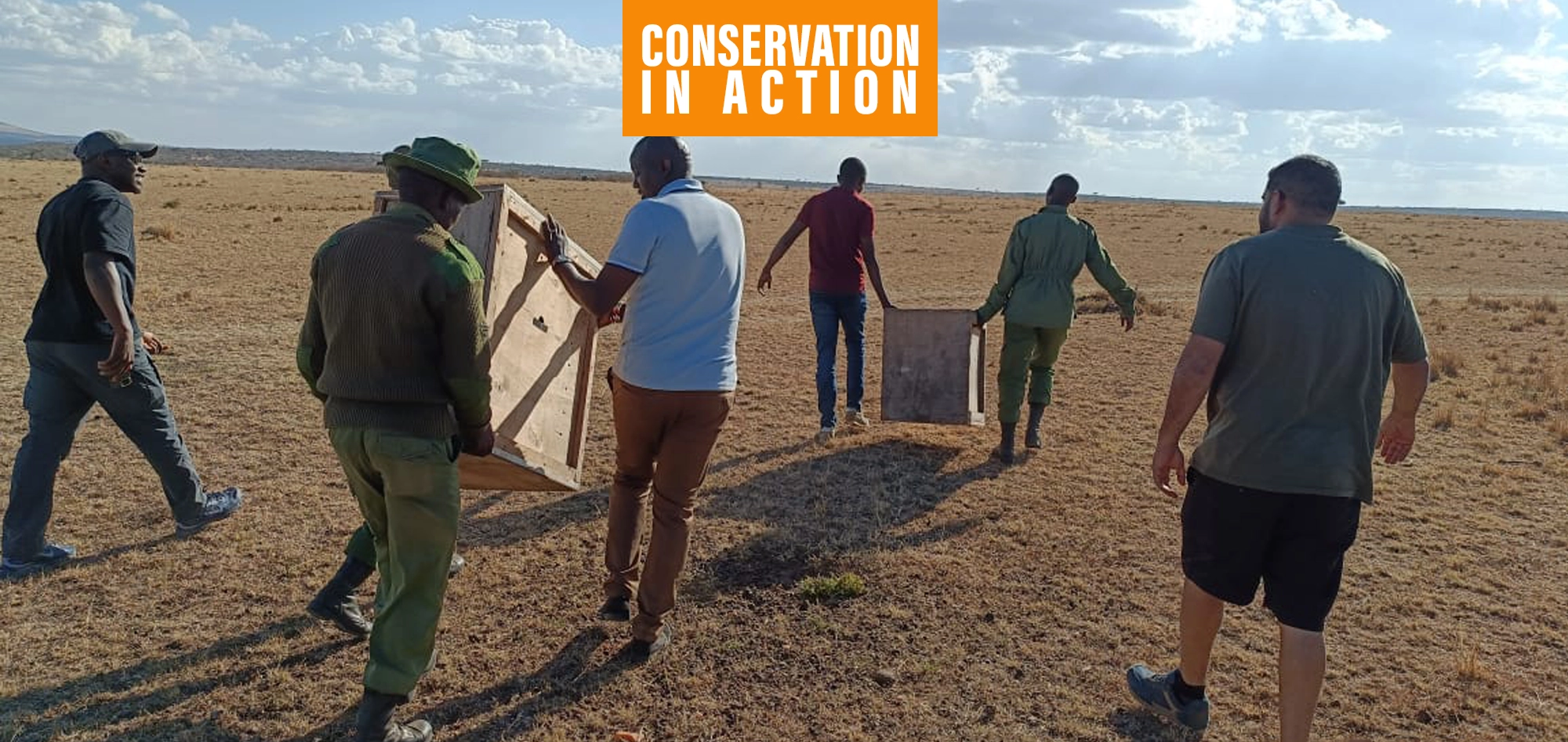
This progress is reinforced by targeted management, including suspending grazing in nesting zones, improving carcass practices, and safeguarding the tall nesting trees many raptors depend on for decades. A dedicated vulture rehabilitation pen and trained response unit now provide emergency care for injured or poisoned birds, working in coordination with regional recovery partners.
Other raptors are responding as well. Last season, a Martial Eagle – one of Africa’s most sensitive apex predators – successfully fledged a chick inside the conservancy, signalling ecological stability rare in today’s rangelands.
While numbers remain fragile, the renewal of nesting activity reflects something significant: with steady stewardship, Naboisho is restoring the balance that once shaped the Mara’s skies and giving its great scavengers and birds of prey a chance to reclaim their place.
The link below avails the latest progress report from The Kenya Bird of Prey Trust’s Mara Raptor Project, capturing the growing scope and impact of Naboisho’s raptor monitoring work from over 155 hours in the field to the identification of 205 nests and 53 currently active sites across the conservancy.
NABOISHO CONSERVANCY: Q3 2025