We’ve just had rains. The clock starts ticking now.
Across Naboisho, our water dams are full again. For now.
But in a dry landscape like this, water is never a comfort. It’s always a countdown.

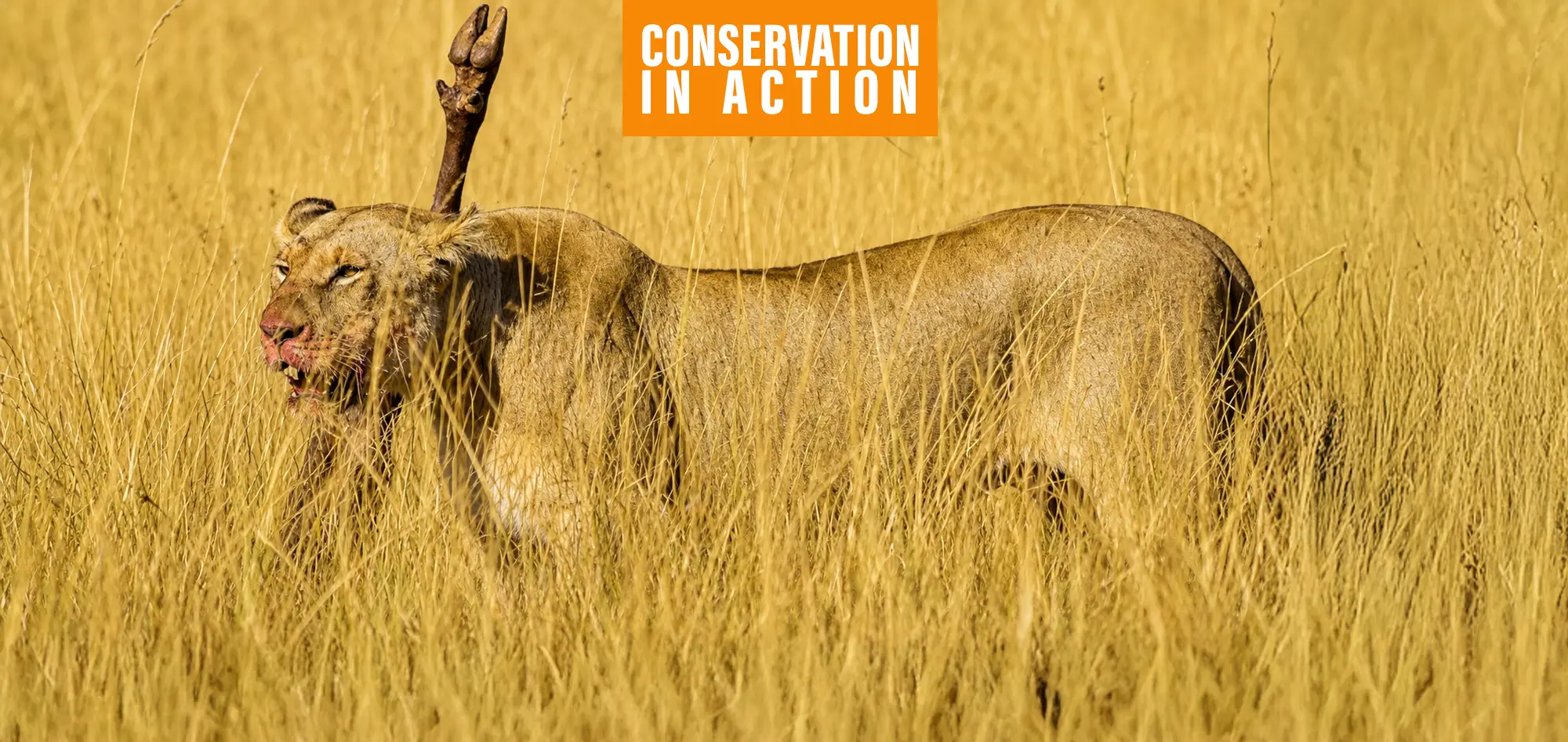
Today, our current storage gives us roughly 120 days of buffer. After that, pressure escalates fast. And pressure here is not abstract. It shows up in thirsty elephants arriving earlier each season. In cattle pushing further for water into the same few points wildlife depends on. That overlap is where predation rises and human-wildlife-conflict follows. Water is no longer something we can leave to chance. It now needs active management.
How much water does survival take?
To support both livestock and wildlife on Naboisho, we need about 700,000 litres of water every day. That’s the baseline. Not for growth. Not for expansion. Just for survival. And survival is harder here than in most parts of the Mara.Naboisho receives around 800 mm of rain per year. That’s about 50 percent less rainfall than nearby conservancies. When rivers stop flowing and natural dams dry out, everything funnels toward the same few remaining water points. The longest dry stretch runs from July to October and can last four to five months. Our current storage covers only about three of those months. When water is missing, the clock isn’t measured in months. It’s measured in days for people, livestock, and wildlife.
That gap is where crisis lives.

Why dams matter now
With growing human pressure around the conservancy, old wildlife routes are failing. Animals arrive visibly thirsty at places that used to carry water reliably. Elephants, in particular, are changing movement patterns in ways that bring new risks for people and wildlife alike. This is why we can’t afford a passive approach to water anymore.
Water is now a conservation tool.
Last year, we added 30 million litres of storage capacity across Naboisho. That was a major step forward. But it still leaves us short. To safely carry wildlife and livestock through the full dry season, we need another 30 million litres.
Closing the gap
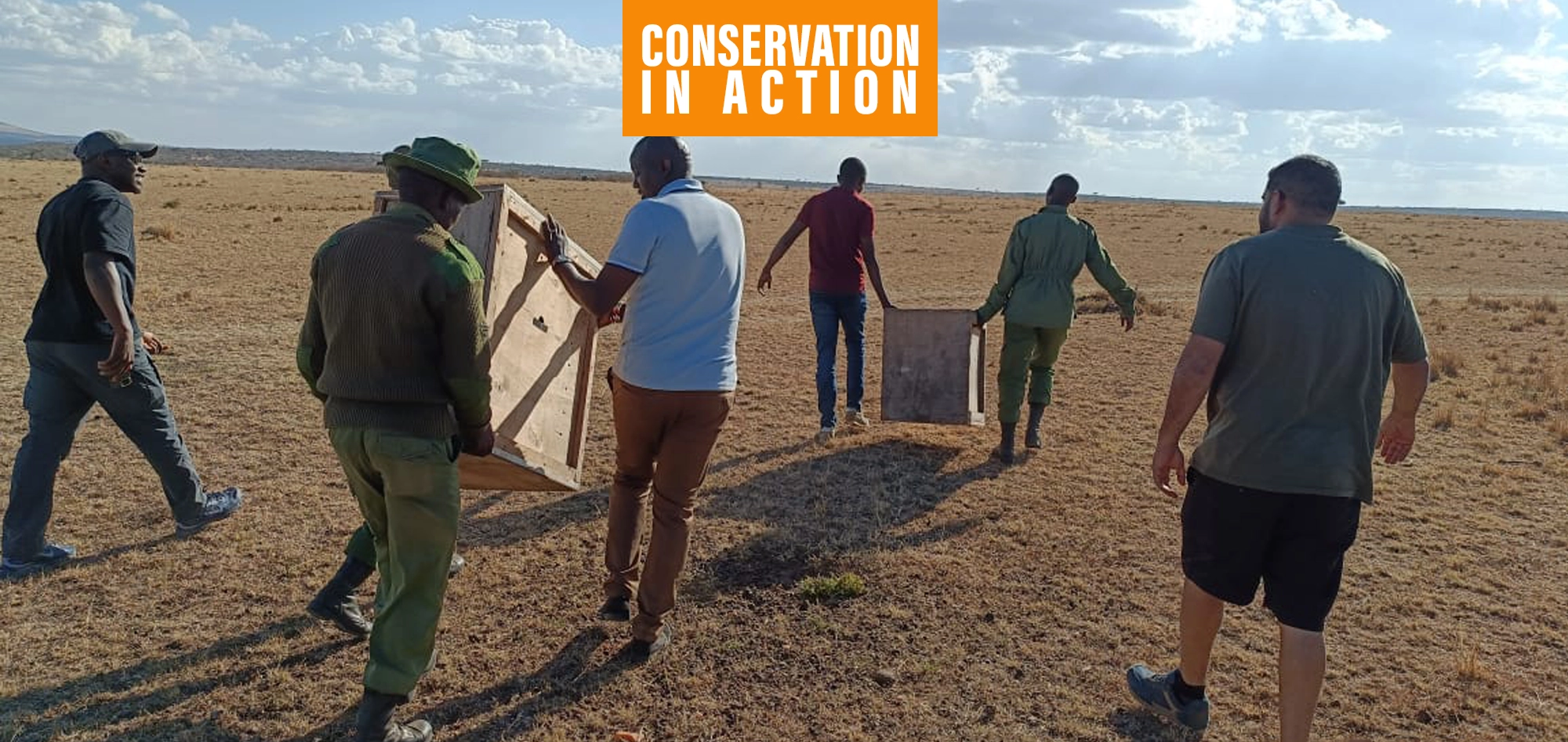
Today, our team set out to identify priority locations for the next four dams Naboisho needs. One of those sites lies on an eroded stretch of land that has struggled for years. A dam here will do more than hold water. It will slow land degradation, improve access for livestock, and reduce pressure on known predator hotspots. Fewer forced encounters mean lower predation risk and fewer human wildlife conflicts.
Why this matters beyond today
Most guests come for the wildlife. What’s easy to miss is the fundamental work that keeps this landscape wild in the first place. Water points, storage, and dam sites aren’t about controlling nature. They are about reducing pressure during the months when the rains stop, so wildlife and livestock aren’t forced into the same shrinking corners. It’s unglamorous, but it’s what prevents a dry season from turning into a crisis.
At Naboisho, water is survival.
And survival now depends on planning, not luck.
What you can do

If this post struck a chord, consider supporting Naboisho’s Dry Season Water Security. Every new dam brings us closer to closing the gap between rain and resilience. Because here, the question is no longer if the dry season will come. It’s only how ready we choose to be when it does.
You can support Naboisho’s dry season water security by either adopting a full dam or contributing litre by litre. A fully funded dam is one of the fastest ways to increase storage capacity, improve reliable access for livestock and wildlife, reduce pressure at shared water points, and support rangeland health by slowing erosion where dams are sited.
Prefer a smaller contribution?
USD 25 funds 25,000 litres of dam capacity and helps reduce emergency pressure and conflict risk as wildlife and livestock concentrate during the dry months. A typical dam stores 7,500,000 litres. We aim to build 4 pans this year.