Around the world, support is growing for one of the most ambitious conservation goals of our time: protecting 30% of the planet by 2030. Under Target 3 of the Convention on Biological Diversity, 196 Parties have committed to conserving at least 30% of land, inland waters, and marine areas through protected areas and other effective, similarly governed conservation measures integrated into wider landscapes. The goal is bold. The harder question is how it can become a reality.
In Kenya, conservation has long been anchored by state protected areas. Kenya Wildlife Service manages about 8% of the country’s landmass through national parks, reserves, sanctuaries, and marine protected areas. That is a substantial commitment, especially in a country whose wildlife and biodiversity are central to its identity, ecology, and economy.
But wildlife does not stop at park boundaries. And neither does the pressure on land.
That is why the way we think about conservation has expanded. The challenge is no longer only how to protect nature inside formally gazetted areas, but how to sustain it across wider, lived-in landscapes where wildlife, people, and land use meet. Kenya’s own biodiversity framework reflects this shift, recognising that the path to 30×30 (30% by 2030) includes not only national parks and reserves, but also community-based conservancies, private conservancies, and other shared approaches to land stewardship.
In that context, community-based conservancies have become increasingly important. Not because they are new, and not because they replace state protection, but because they extend conservation into places where classic fortress boundaries cannot carry the burden alone. They represent an effort to make conservation work not only as protected space, but as a wider landscape approach.
In Kenya, this matters profoundly. National parks and reserves remain essential. They are the backbone of conservation. But they are only part of the picture. The wider landscapes surrounding them often hold critical habitat, migration routes, grazing lands, and the ecological space that wildlife still depends on. Kenya’s conservation future will not be shaped by protected areas alone, but by how successfully these wider landscapes are managed alongside them.
This is where community-based conservancies like Naboisho come into view. As one of the pioneering community-based conservancies in the Greater Mara, Naboisho sits within a broader movement that has grown significantly over the past 15 years. In the wider Mara, community-based conservancies have grown from 8 to 24, showing how strongly this approach has taken hold. That growth reflects a model that links wildlife and ecosystem preservation, community empowerment, and sustainable tourism in a more connected approach to conservation.
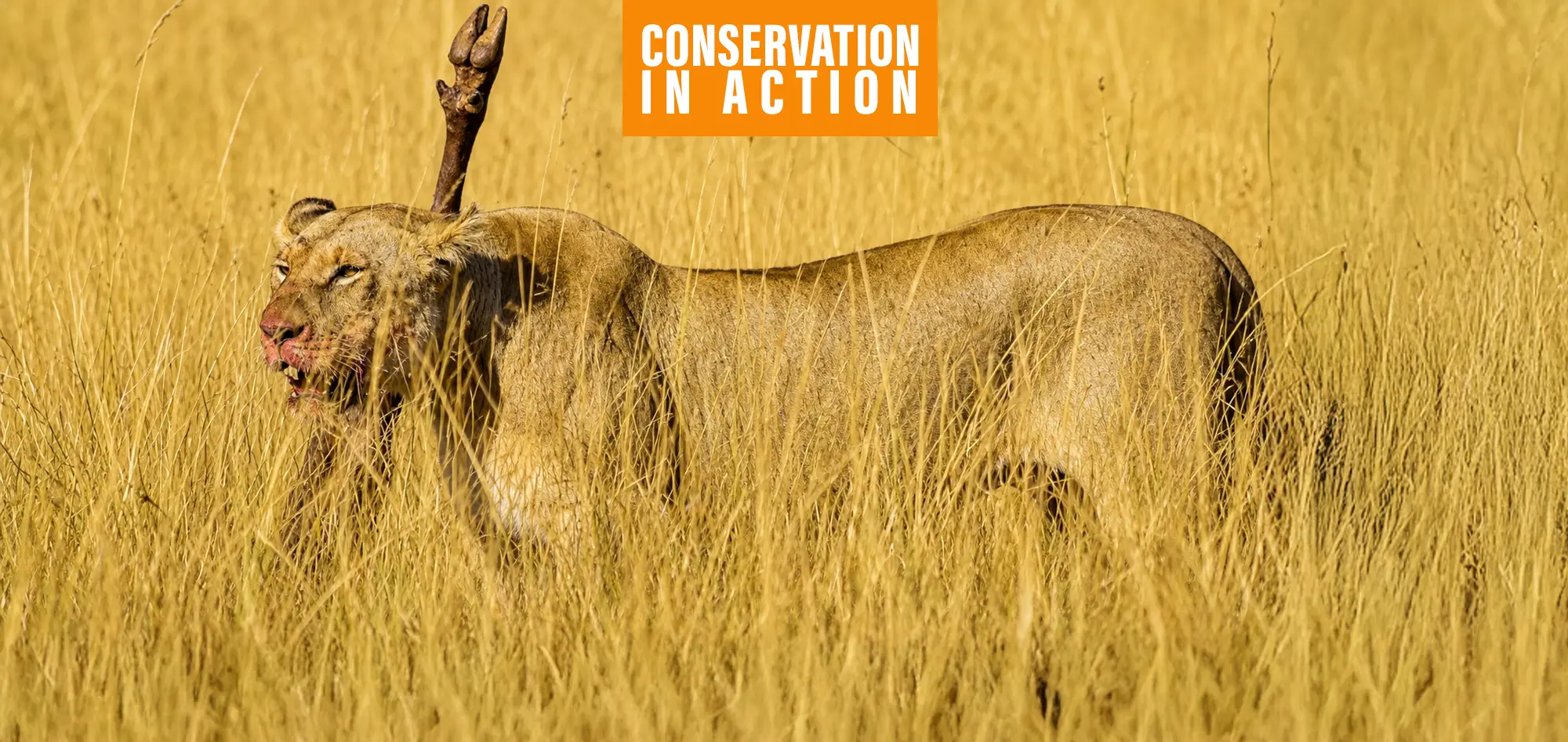
That success can also be seen in biodiversity. Naboisho has become renowned for its high concentration of wildlife, particularly lions, and for showing how strong wildlife outcomes can go hand in hand with a community-led conservation model.
That is what makes community-based conservancies so relevant to the future of conservation in Kenya. They create room for protection beyond park boundaries, help hold landscapes together, and point to a broader idea of stewardship in which conservation depends not only on protection, but on participation, long-term commitment, and shared value.
For guests, this gives the safari experience a deeper meaning. A stay in a community-based conservancy is not only an encounter with wildlife. It is participation in an approach to conservation that is actively shaping how landscapes are sustained for the future. Every guest plays a part in making this model work.
As the world works toward 30×30, the most important question is no longer whether conservation is needed. That is widely understood. The question is how conservation can succeed in the real world, in real places, and over the long term.
In Kenya, community conservancies have become one important part of that answer. Naboisho shows that the future of conservation will depend not only on protection, but on stronger connections between land, wildlife, and people.